Harpsichord Bluework: A Versatile Design for Business
First Impressions and Visual Personality
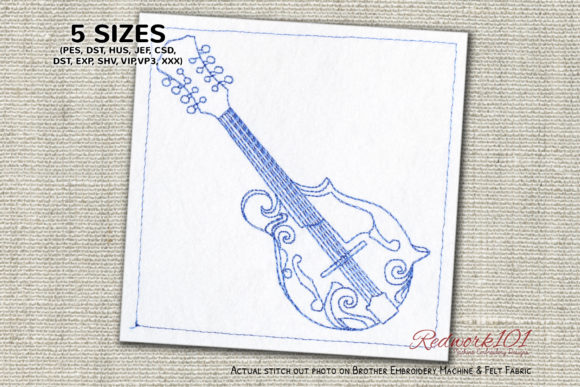
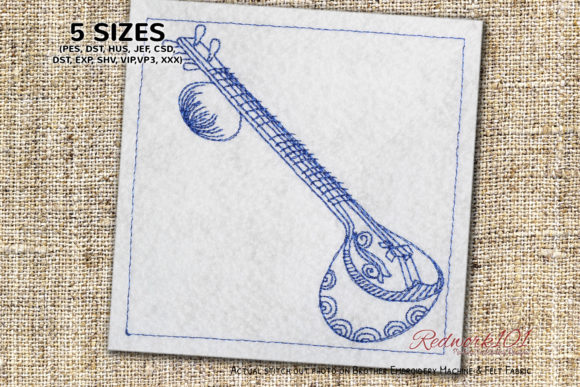
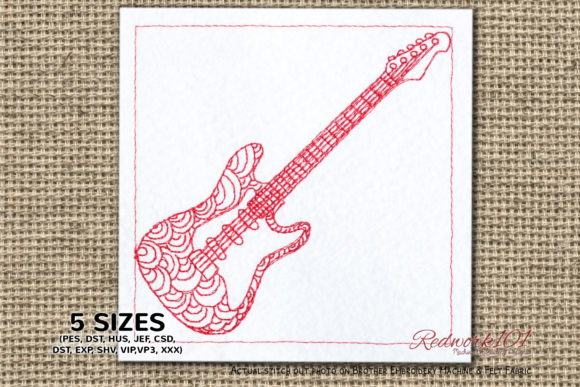
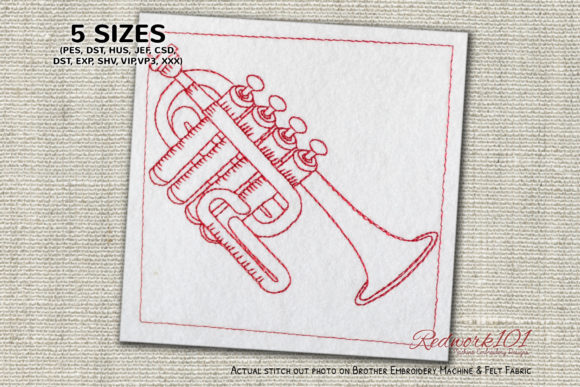
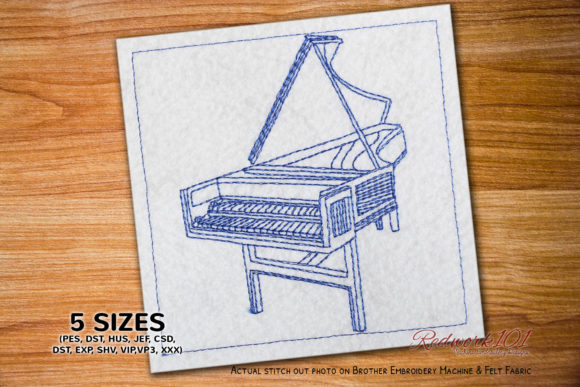
Upon first glance, the Harpsichord Bluework design exudes a blend of classic elegance and modern simplicity. The intricate details and clean lines make it an ideal choice for small businesses looking to add a touch of sophistication to their merchandise. This design feels both professional and friendly, making it suitable for a wide range of applications, from boutique merchandise to custom apparel.
Performance in Real Business Use
When considering Harpsichord Bluework for embroidered patches, staff uniforms, aprons, caps, tote bags, and other branded items, its versatility shines through. The design's balanced composition and clear outlines ensure that it translates well across various fabric types and embroidery techniques. Here’s how it performs in specific business contexts:
- Embroidered Patches: The design's clarity and detail make it perfect for creating high-quality patches. Whether used as a chest logo accent or a sleeve detail, Harpsichord Bluework adds a premium touch to any garment.
- Staff Uniforms and Aprons: For businesses like cafes, boutiques, and creative studios, this design can be a standout element on staff uniforms and aprons. It enhances the overall professionalism and visual appeal, contributing to a cohesive brand identity.
- Cap Embroidery: The design's simplicity and clean lines make it an excellent choice for cap fronts. It provides a stylish and recognizable mark, perfect for building brand recognition among customers.
- Tote Bag Design: Adding Harpsichord Bluework to tote bags elevates them from simple carriers to branded merchandise. The design's elegance makes these bags more appealing and memorable, enhancing customer engagement.
Where to Use with Caution
While Harpsichord Bluework is versatile, there are certain areas where it should be used with caution:
- Small Patch Sizes: The intricate details may not translate well at very small sizes. Test the design in black and white first to ensure it remains legible and visually appealing.
- Curved Surfaces: When embroidering on curved surfaces like caps, pay close attention to the design's alignment and stitch density. Proper stabilizer use is crucial to maintain the design's integrity.
- High Stitch Density: High stitch density can cause issues on textured fabrics or dark uniforms. Review the thread color contrast and spacing to ensure the design stands out without overwhelming the fabric.
- Frequent Washing: For items that need frequent washing, such as work shirts and aprons, choose durable thread colors and a proper stabilizer to ensure the design lasts over time.
Impact on Brand Identity and Customer Trust
The Harpsichord Bluework design has a significant impact on brand identity and customer trust. Its elegant and professional appearance conveys a sense of quality and attention to detail, which can enhance the perceived value of your products. By incorporating this design into your branded merchandise, you create a consistent and recognizable visual identity that fosters trust and loyalty among your customers.
Practical Embroidery Designer Notes
To ensure the best results when using Harpsichord Bluework, here are some practical tips for embroidery designers and small business owners:
- Test in Black and White: Start by testing the design in black and white to check for clarity and detail. This step is especially important for small patch sizes.
- Check Thread Color Contrast: Choose thread colors that provide good contrast with the fabric. This ensures the design is visible and impactful.
- Inspect Spacing and Alignment: Pay close attention to the spacing and alignment of the design, especially on curved surfaces like caps.
- Confirm Hoop Size: Ensure the hoop size is appropriate for the design and the fabric type. This helps in achieving a clean and professional finish.
- Use Proper Stabilizer: Select the right stabilizer based on the fabric and the design's stitch density. This prevents distortion and maintains the design's integrity.
- Create a Mockup for Client Approval: Before finalizing the design, create a printable mockup for client approval. This ensures that the design meets the client's expectations and fits the intended use.
- Compare with Other Design Assets: Place the design beside other design assets to ensure visual consistency and a cohesive brand look.
- Confirm Commercial Licensing: Always check and confirm the commercial licensing terms before using the design for business purposes. This ensures you have the necessary permissions and avoids any legal issues.
In conclusion, the Harpsichord Bluework design is a valuable asset for small businesses looking to enhance their brand identity and create high-quality, visually appealing merchandise. With careful consideration and proper execution, this design can elevate your branded products and leave a lasting impression on your customers.